
Eating a little fat with our food makes it possible to absorb these vitamins. The muscles of the small intestine mix food with digestive juices from the pancreas liver and intestine and push the mixture forward for further digestion.
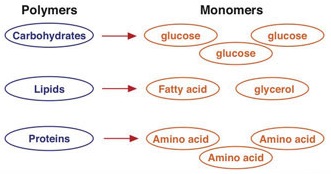
3 3 The Digestion And Absorption Process Medicine Libretexts
A Journey Through The Intestine Ck 12 Foundation

/stomach_intestines-57ffd6795f9b5805c2ac495f.jpg)
Nutrient Absorption In The Digestive System
Its largely responsible for the continuous breaking-down process.

Small intestine absorb nutrients into bloodstream. Digestion and absorption happen in a very orderly way within the small intestine and involves the help of many enzymes or proteins that the cells use to speed the reactions. The jejunum jih-JU-num the coiled midsection. When there are excess nutrients your bloodstream carries glucose and amino.
Monocytes and lymphocytes also contain granules but their granules are extremely small and cant be seen under a microscope. But white blood cells can leave the bloodstream and move into tissues in the body. The large intestine is about 25 inches in diameter and about 5 feet long in a living body.
The small intestine or small bowel is an organ in the gastrointestinal tract where most of the absorption of nutrients from food takes place. Absorb nutrients including fats carbohydrates proteins vitamins and minerals into the bloodstream. The stomach slowly empties its contents called chyme into your small intestine.
Fat-soluble micronutrients such as vitamins A and D do not dissolve in water. Middle part of the small intestine between the duodenum and the ileum. If you drink water on an empty stomach it can pass through the stomach into the small intestine and enter your bloodstream within 5 minutes faster if the water is colder compared to warm.
Those organs send different juices to the first part of the small intestine. Finally food passes into the ileum the longest region of the small intestine. The cells of the villi and another part of the small intestine known as the crypts transport food from the digestive tract into the bloodstream where they can be used by the body.
It lies between the stomach and large intestine and receives bile and pancreatic juice through the pancreatic duct to aid in digestionThe small intestine is about 18 feet 6 meters long and folds many times to fit in the abdomen. In the duodenum bile from the gallbladder and pancreatic secretions are added to the chyme. The small intestine is made up of three parts.
Normally you absorb most of your nutrients into your bloodstream through the wall of your small intestine as partially digested food works its way through your digestive system. Mixture of water and mucus that helps absorb nutrients from chyme. The small intestine is made up of three parts.
Digestion of protein begins in your stomach with the aid of gastric juices. The pancreas makes juices that help the body digest fats and protein. The breakdown products of carbohydrates and proteins sugars and amino acids can enter the bloodstream directly.
The ileum IH-lee-um the final section that. A juice from the liver called bile helps to absorb fats into the bloodstream. The villi aid in absorption by increasing the surface area of the intestine and contain specialized cells which transport different types of nutrients into the blood.
Lipids are digested mainly in the small intestine by bile salts through the process of emulsification which allows lipases to divide lipids into fatty acids and monoglycerides. The small intestine absorbs nutrients and water from digested food. The small intestine carries out most of the digestive process absorbing almost all of the nutrients you get from foods into your bloodstream.
And the gallbladder serves as a warehouse for. There are many more red blood cells than white blood cells in the blood. Your small intestine is the section of your digestive tract where the majority of nutrient absorption.
The duodenum due-uh-DEE-num the C-shaped first part. Once your food has been broken down into movable nutrients it moves into your small. The cells that line the gut take up these nutrients and transport them to the bloodstream.
Contents of the small intestine start out semi-solid and end in a liquid form after passing. Instead they hitch a ride with fats traveling in chylomicrons and VLDLs as described above. Through the action of a group of potent enzymes from the intestinal lining and the pancreas digestion continues in the small intestine.
The duodenum also helps to control how well the stomach empties and the rate of bile duct juices that empty into the small intestine. Then the majority of water is absorbed in the small intestine after being let out of the stomach. Certain diseases that affect broad areas of your intestinal lining may compromise iron absorption.
If you could see into the small intestine when it was going through segmentation. Help to maintain the balance of fluids absorbs much of the bodys ingested water and. The walls of the small intestine make digestive juices or enzymes that work together with enzymes from the liver and pancreas to do this.
In fact 90 percent of food absorption happens in the small intestine. Any last nutrients that were not absorbed in the jejunum are absorbed in the ileum before the food passes into the large intestine. In the stomach proteins are broken down into peptides which are then broken down into single amino acids that are absorbed in the bloodstream though the small intestine.
These tiny nutrients are then absorbed out of the digestive tract and into your bloodstream. Granulocytes have small granules inside them. These juices help to digest food and allow the body to absorb nutrients.
Digestion of carbohydrates fats and proteins primarily takes place in the small intestine and their products go into the bloodstream or lymphatic system. Malabsorption syndrome refers to a number of disorders in which the small intestine is unable to absorb enough nutrients. The small intestine is the place where food is digested and absorbed into the bloodstream.
The main job of the small intestine is to absorb essential nutrients into the bloodstream. Chyme is then squirted down into the small intestine where digestion of food continues so the body can absorb the nutrients into the bloodstream. The small intestine is aided in its work by the liver gallbladder and pancreas.
Following on from the ileum is the first part of the large intestine called the. But here is where the aforementioned conditions are in play. The duodenum is the first segment of the small intestine.
Your small intestine provides about 250 square yards of absorptive surface area so its capacity for transferring vitamins minerals and other nutrients into your bloodstream is quite remarkable. The walls of the small intestine absorb water and the digested nutrients into your. Digestive System vocabulary game to match the names with the picture.
Whats left over from this process is then passed into. From there amino acids are absorbed into the bloodstream and. The jejunum and ileum lower in the intestine are mainly responsible for the absorption of nutrients into the bloodstream.
Digestive System Processes Boundless Biology

Lesson Worksheet Absorption And Defecation Nagwa
Real Villi In
The Digestive System

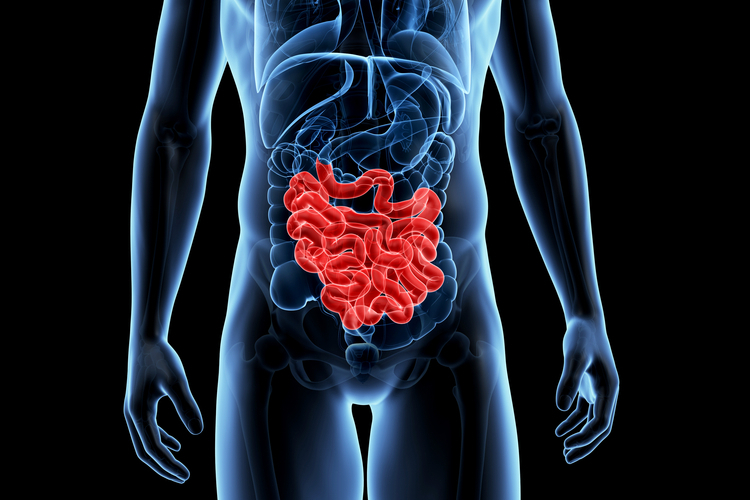
How The Small Intestine Works Live Science
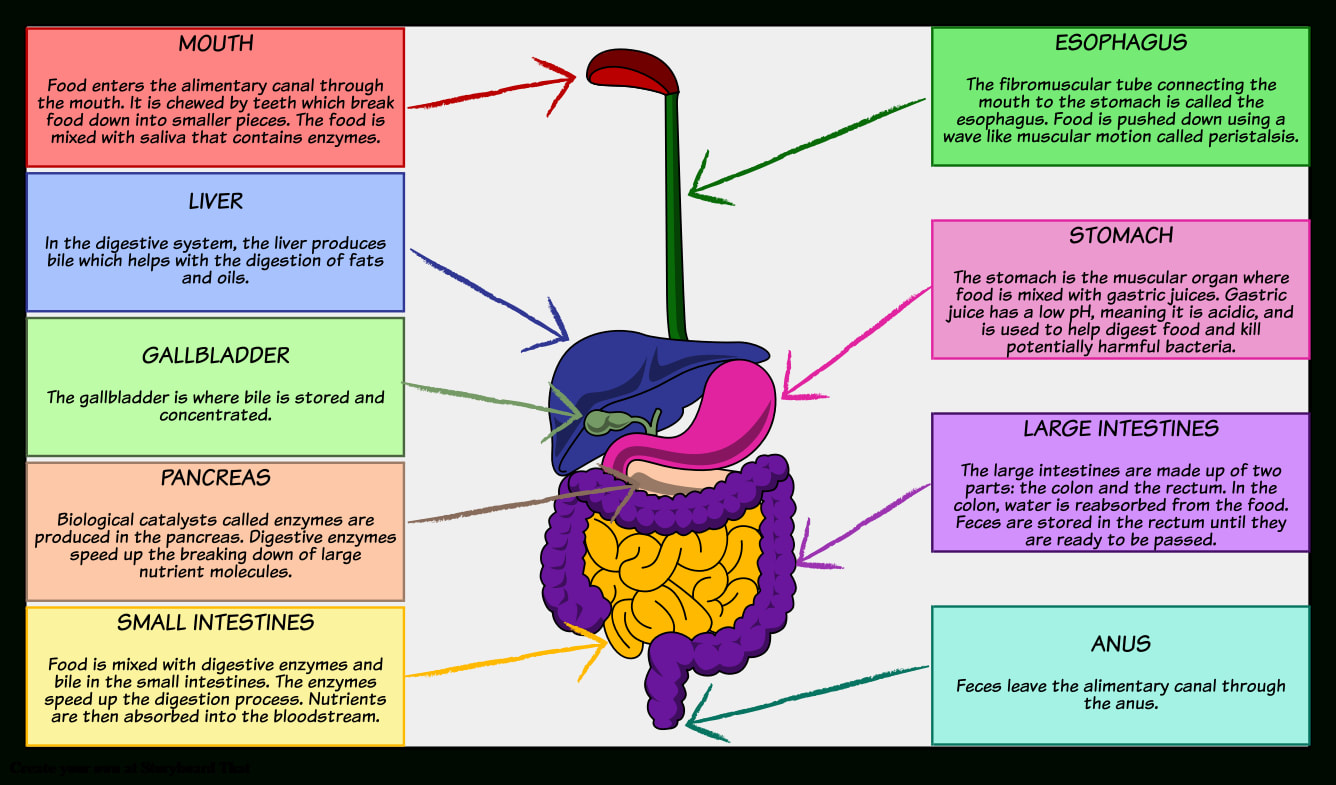
Topic 6 1 Digestion And Absorption Amazing World Of Science With Mr Green
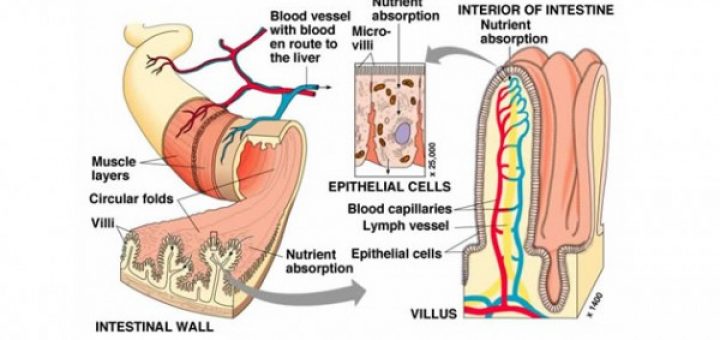
Small Intestine Absorption Of Digested Food Metabolism Large Intestine And Defecation Science Online

Absorption And Assimilation Processes Small Intestine Videos Examples


